Important Information About Live Dealer Studios
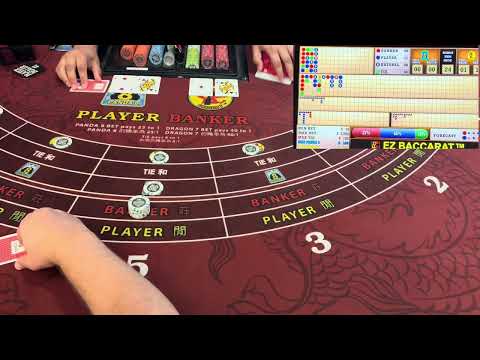
Each time you access a live casino lobby, you are stepping into a functioning TV studio, not just a standard virtual game slotimoscasino.com. These facilities are the core of the live dealer experience, blending broadcast-grade technology with actual human dealers. At Slotimo Casino, the live dealer tables transmit from studios designed exclusively for this purpose, and once you grasp what powers them, you perceive the action from a fresh perspective. The croupiers on your screen are not entertainers playing a role; they are certified experts under constant supervision, shuffling real decks and rotating physical wheels while cameras capture every move. Comprehending the behind-the-scenes mechanics deepens your trust in the integrity controls, the production values, and the immense effort it takes to deliver a seamless, continuous picture on your phone or desktop.
The Physical Layout and Technology Inside a Studio
A live casino studio is built from scratch for a single job, and the floor plan is much more complex than a table and a few cameras. Most large studios house dozens of tables into clusters, each cluster dedicated to a particular variant like standard blackjack, speed roulette, or baccarat squeeze. The lighting rig overhead is calibrated to kill shadows on the cards while still giving the room a private, club-like glow. Temperature and humidity are monitored round the clock because moisture in the air changes how the cards handle. The tables are custom-built with RFID readers buried under the felt. Every chip holds a tiny microchip that sends its value to the system the instant it hits the layout, so the software logs your bet on a specific number as soon as the dealer shuts the betting window.
Behind the table, the camera setup is staggering. One roulette wheel can have five or more HD cameras on it, including a dedicated slow-motion lens aimed at the ball track. A director alternates between those feeds live, creating the broadcast you watch. At the same moment, optical character recognition software reads the wheel numbers or card faces and converts them into on-screen overlays in milliseconds. That double layer of physical hardware and digital recognition means a briefly obscured card will still be recorded correctly. The audio is just as deliberate; directional mics pull the dealer’s voice and the sharp click of the ball while removing noise from neighboring tables, so the soundscape appears close and immediate.
The Broadcast Setup and Your Internet Link
The video feed you watch is the product of a complex encoding and delivery pipeline that needs to operate without a hitch across continents. The production facility captures the raw feed in 4K or high definition and then converts it into several bitrate versions at the same time. This adaptive bitrate streaming means that if your internet connection dips, the server quietly shifts you to a lower-resolution stream without cutting the game. The lag between the dealer’s move and you seeing it, the latency, is typically kept under a second for European studios, though your location can nudge that number. The production houses use dedicated fibre-optic lines with redundant backups; should one line fail, the stream hops to a secondary path with no visible flicker.
Mobile players need even more careful engineering. The video player inside the Slotimo Casino platform is built to handle network handovers, like the switch from Wi-Fi to mobile data. The broadcast is compressed to use less data while keeping card values and roulette numbers sharp. We suggest a steady connection of at least 5 Mbps for a clean HD picture, but the platform will run on lower speeds with a slightly softer image. The conversation box and the betting controls travel on a separate data channel from the video, so even if the video buffers, your bets still get placed and confirmed. That separation keeps a brief internet wobble from locking you cbc.ca out of a winning round, a design choice that has rescued countless players from unnecessary panic at the worst possible moment.
Regulation, Conformity, and Fair Play Protocols
Live casino studios function under some of the gambling industry’s strictest rules, and they are audited differently from standard online slots. A studio cannot simply declare its roulette wheel is fair; it has to demonstrate it every day. The wheels undergo regular balance checks, and the results are logged and submitted to independent testing agencies. Cards get changed often, sometimes every few hours on busy tables, and the old decks are destroyed or stored for audit. The shuffling routines are similarly strict. You will often see the dealer wash the cards by hand or place them into an automatic shuffling machine that shuffles the deck beyond any human tampering. These machines possess certification from bodies like GLI or iTech Labs, and players can verify that paperwork.
The licensing authority that supervises the studio, frequently the Malta Gaming Authority or the UK Gambling Commission, requires that the operator hold a separate bank of servers archiving every stream in full. Those recordings remain for a mandated stretch and can be retrieved by the regulator any day, no warning needed. In effect, the studio functions under permanent surveillance, not just from its own security crew but from external inspectors who can walk in unannounced. The random number generators that drive bonus rounds in game-show style titles are checked separately from the physical kit. We always advise players to check the footer of the live lobby for the testing agency logos and the license number, then cross-check that number on the regulator’s official website. That transparency is the foundation of the live dealer promise.
Game Variety and the Emergence of Show-Style Games
Traditional tables like blackjack, roulette, and baccarat are the cornerstone, but the real burst of renewed vitality has come from the game show category. Titles such as Crazy Time, Monopoly Live, and Dream Catcher operate on custom-built sets that mirror a TV studio more than a casino floor. A host guides the action instead of a traditional dealer, and the gameplay often features spinning a huge vertical wheel or dropping a ball into a pachinko-style board. The tech underpinning these games is even more layered than a standard table. The wheels are motorized and operated by the GCU to secure a random result, while the host adds an entertainment layer that keeps things interesting even when you are sitting out a round.

The multiplier system is what makes these formats so magnetic. In a game like Crazy Time, a top slot above the wheel can spit out random multipliers of up to 20,000x or more, which then get applied to the next spin. This generates a shared rush that you seldom encounter at a standard blackjack table. The studios construct these sets with bold colors, motion-triggered lighting, and sound effects that activate in response to the outcome. For players who like a dash of strategy, many studios now provide variants like Infinite Blackjack, which uses a common shoe and hosts an unlimited number of players, or Lightning Roulette, which adds RNG-chosen lucky numbers with boosted payouts onto a real wheel. That hybrid approach, physical hardware plus digital punch, is where the whole industry is heading, and it is transforming what you expect from a live session.
GCUs and the Function of the Floor Manager
Located on every table, out of the camera’s sight, is a small box-sized device that runs the whole show: the Game Control Unit, or GCU. It encodes the video and locks the physical action to the digital interface. You know the betting buttons on your screen that freeze the moment the dealer moves a hand over the sensor? That is the GCU. The system is hardwired, not wireless, to stop interference and hacking. The pit boss sits at a monitoring bank with a wall of screens displaying every active table from multiple angles. They are not just monitoring for cheating; they start and deactivate tables according to the lobby schedule and ensure the entire floor moving.
The pit boss also intervenes when a dispute flares up. Say a player claims a bet was not recorded. The pit boss can review the footage from every camera, access the RFID log of chip positions, and check the GCU data to see precisely when the betting window closed. That multiple-layer evidence chain makes live dealer games more clear, in a way, than physical casinos, where a dispute often relies on a single security tape and a manager’s call. The GCU also handles the chat feed, directing your messages to the dealer’s screen and automatically removing anything abusive. This tight weave of hardware, software, and human oversight creates a closed loop where every action is recorded, time-stamped, and verifiable, giving you a certainty that purely digital games fail to equal.
The way Dealers Are Trained and Supervised
The person managing your cards is a professional, not someone practicing on the fly. Before they ever appear on a public stream, dealers go through weeks of intense training that covers a lot more than the rules of the game. They practice precise hand movements so the overhead cameras always have a clean view of the cards, and they work on a speaking rhythm that works well even if players are coming from different language backgrounds. At Slotimo Casino, the strongest dealers develop a pace that keeps the game moving while still giving players time to think. Behind the scenes, a pit boss and a surveillance team watch every table live. If a dealer’s tempo shifts or a card gets handled in a way that looks off, the table can be paused and the moment reviewed right then.
A detail many players overlook is that dealers rotate tables frequently, often every 30 to 60 minutes. This is not just about their comfort. A fresh dealer recharges the energy at the table, and the constant rotation halts any one person from staying too long at a single game, cutting the risk of both collusion and tired-mistakes. Dealers also get real-time guidance through discreet earpieces. The floor manager can instruct them to pick up the pace, slow down, or engage a quiet player. That ongoing coaching loop is why the experience feels polished. The dealers are also prepared on technical hiccups; if the stream stutters, they know exactly how to pause the action and bring it back without calling the round’s integrity into question.
What to Check When Choosing a Live Dealer Table
When you enter the live lobby, the wide range can feel like a flood, but a few fast filters will lead you to the correct table. Begin with the bet limits listed on the thumbnail. Tables go from low-stakes options for informal games all the way to VIP tables with substantial minimums. Picking a table that matches your bankroll is the key call you will take before joining. Then, check the dealer’s language flag. Most studios use multilingual dealers, and joining a table where the dealer uses a language you are at ease with lifts the whole experience, especially when you want to use chat to ask a question or just share a quick celebration.
Check how many players are already at the table. A full table moves slowly because everyone plays in turn, while a less crowded one provides a quicker rhythm and greater back-and-forth with the dealer. Some options, like Speed Baccarat, are engineered for fast rounds and will be suitable if you like a lot of hands per session. We also advise opening the game’s help menu to review the exact rule set. Blackjack, for instance, can be different on whether the dealer stays on soft 17 or whether surrender is permitted. Those small rule tweaks have a significant effect on the house edge, and understanding them upfront lets you play with your eyes fully open. The live casino environment benefits players who interact instead of seeing it as a static video feed, and a little homework turns a casual session into something truly strategic and absorbing.